The Quiet Power of Indica Honey Oil: Why This Concentrate Deserves Your Attention
There is a corner of the cannabis market that rarely gets the spotlight it deserves. I am talking about honey oil, specifically the kind that comes from indica strains. Most people walk past it in favour of a bright, brittle BHO chunk or a jar of translucent distillate. That is a mistake. Honey oil, when it is done right, offers something that neither of those can match: a full-spectrum, solvent-free experience that lands closer to the whole plant than almost any other concentrate.
I spent a few years working behind a dispensary counter, and the question I heard most often was, "What hits like a classic brownie but I can vape?" The answer, more often than not, was a good indica honey oil. It is not flashy. It does not shatter when you tap it with a dab tool. But the effects are deep, slow, and satisfying in a way that a hyper-refined extract sometimes misses. Let me walk you through why this particular concentrate has become my go-to for evening sessions and how to pick a good one.
What Exactly Is Honey Oil?
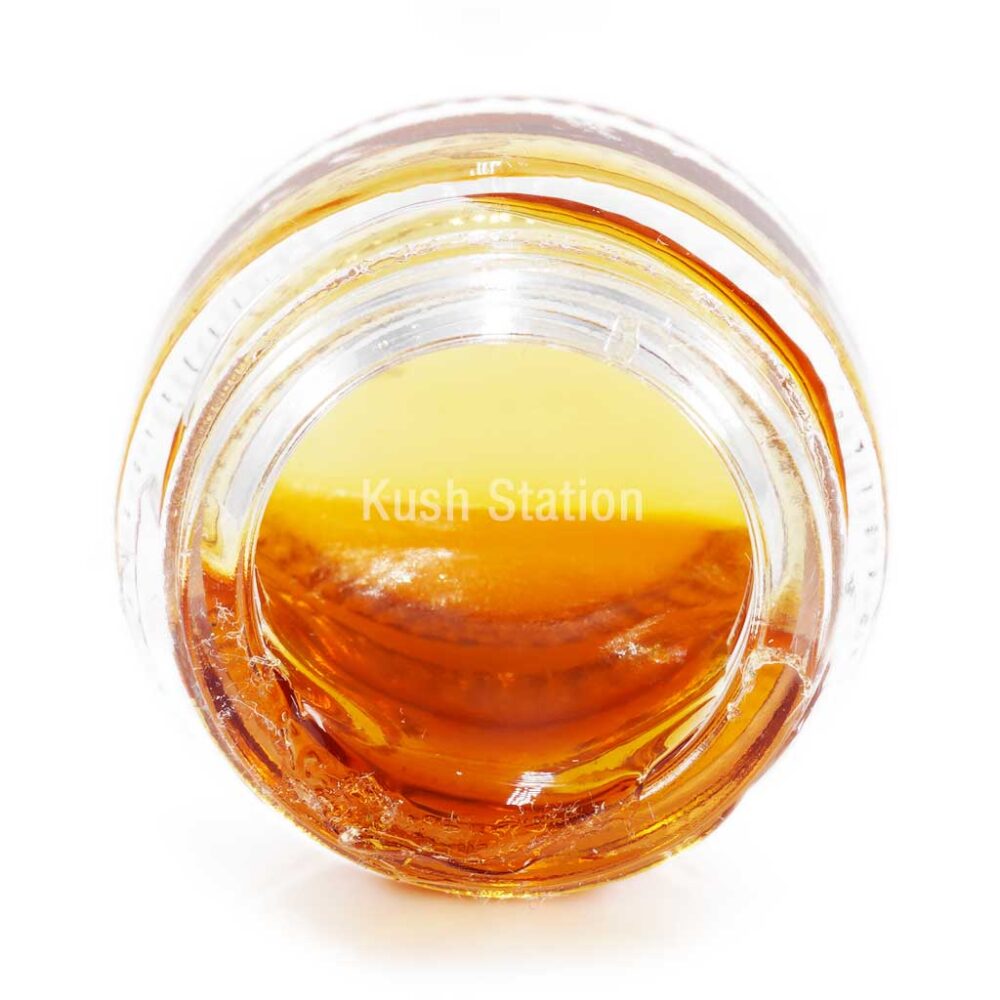
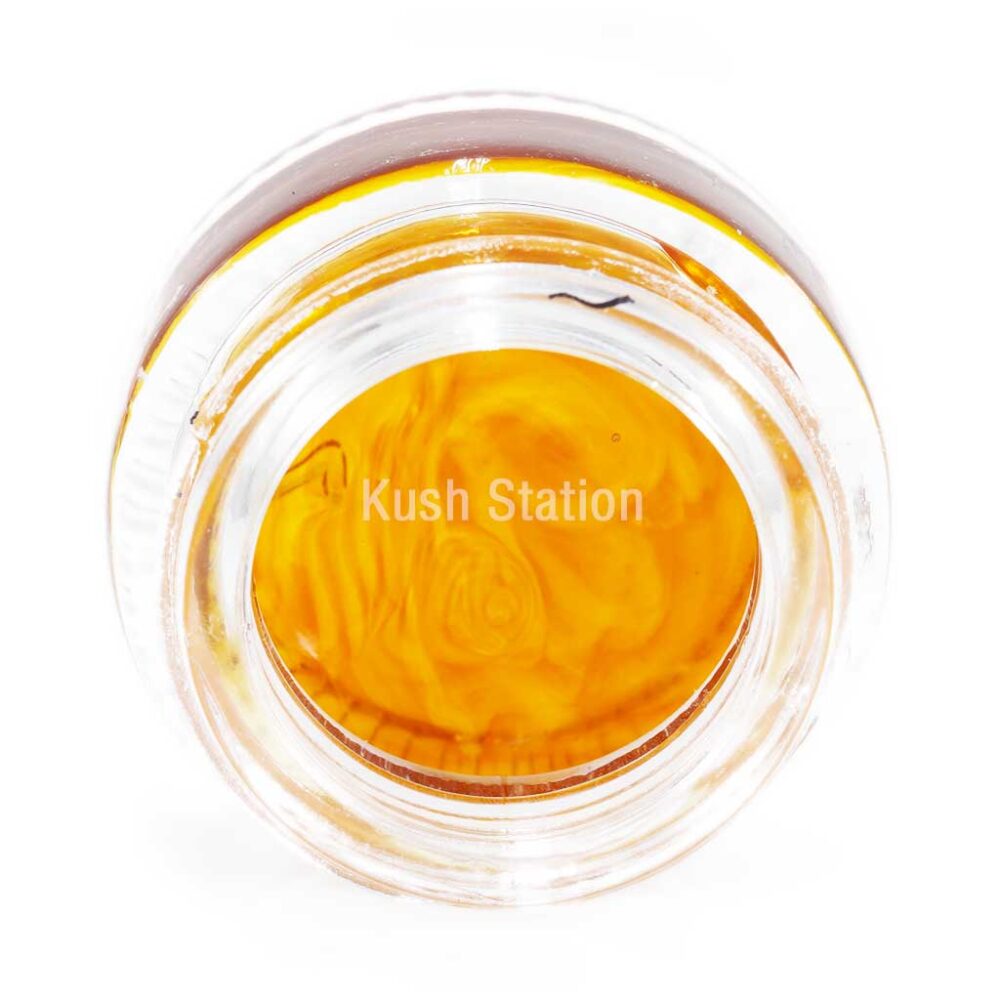
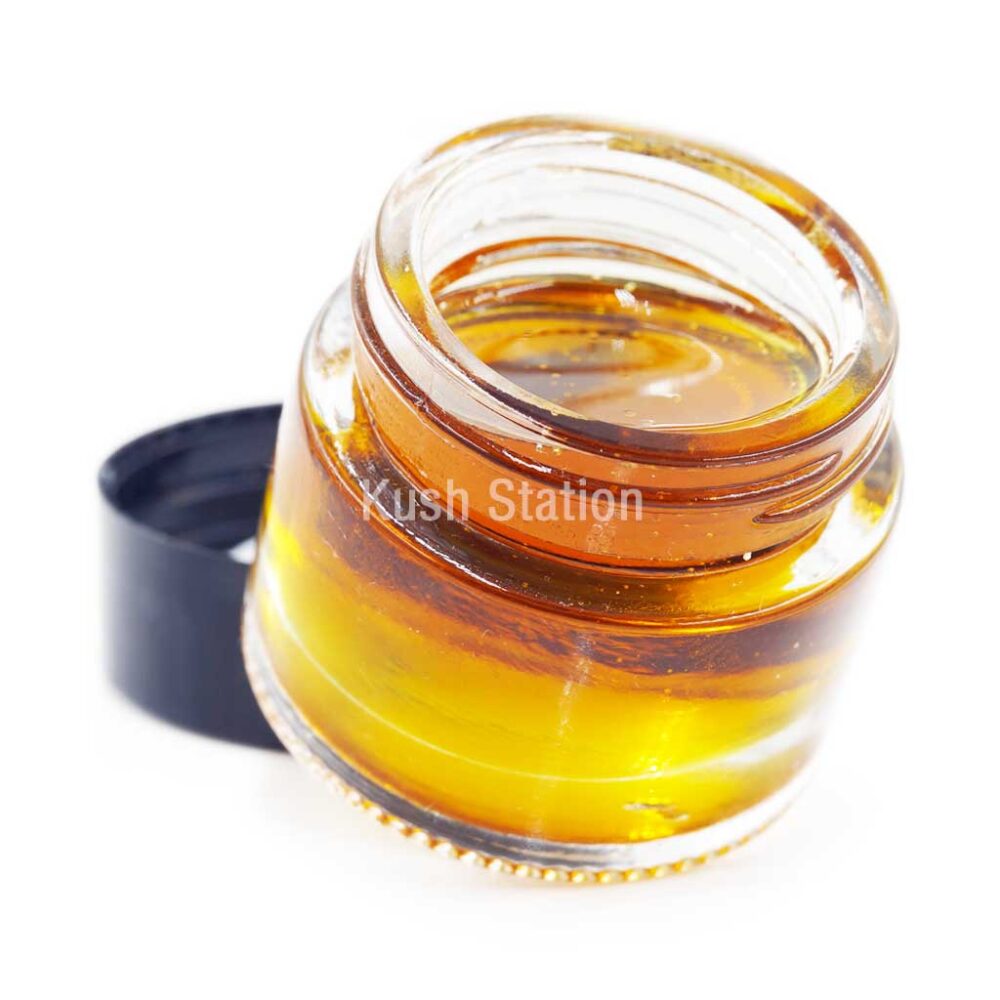
Honey oil is a cannabis concentrate that falls somewhere between a traditional hash oil and a runny distillate. It gets its name from the colour and consistency: a golden to amber liquid that moves like warm honey. The key distinction is that quality honey oil is solvent-free. That means no butane, no ethanol, no chemical leftovers. The extraction relies on mechanical methods, often involving cold water and fine mesh screens, or sometimes a gentle CO2 extraction that preserves the delicate terpenes without introducing foreign solvents.
For indica strains, this method is a gift. Indicas tend to produce a denser, more resinous trichome head, rich in myrcene and linalool, the terpenes responsible for that sedative, body-melting effect. When you extract that resin without heat or chemicals, you keep the full cannabinoid profile intact. The result is a concentrate that tastes like the plant smells and hits with the full weight of the strain behind it.
Why Indica Strains Shine in Honey Oil
Not every strain translates well into honey oil. Sativa-dominant plants, with their airy calyxes and thinner resin, often yield a lighter oil that can feel too runny and lack depth. Indicas, on the other hand, were built for this. Dense, compact flowers like Northern Lights, Bubba Kush, Granddaddy Purple, Hindu Kush, and Afghani produce a thick, aromatic oil that holds its terpene profile beautifully.
I have dabbed honey oil from a batch of Bubba Kush that smelled exactly like the original flower, coffee, earth, a whisper of dark chocolate. That fidelity to the source plant is rare in concentrates. Most extraction methods, especially those using high heat or aggressive solvents, strip away the more volatile aromatic compounds. A well-made honey oil keeps them. That is why, when I see a jar labelled with a specific indica strain, I pay attention. The strain name is not just marketing; it tells you what to expect from the flavour and the effect.
Lab-Tested and Transparent: What to Look For
Because honey oil is less processed than some other concentrates, the quality can vary widely between producers. This is where lab-testing matters. A reputable seller will publish the cannabinoid and terpene profile for each batch. You want to see the THC content clearly stated, but do not stop there. Look at the minor cannabinoids: CBG, CBC, THCV. A good honey oil should show a broad spectrum, not just THC. That breadth is what gives the oil its depth of effect, the entourage effect that makes an indica feel full and grounded rather than just sedated.
KushStation, for example, lists lab results for their honey oil products, which is a sign they take the process seriously. When you are buying a concentrate that is meant to be used with a dab rig or a vaporizer, knowing exactly what is in it matters. You are not just getting high; you are choosing a chemical experience. A lab-tested honey oil gives you the data to make that choice consciously.
How to Use Indica Honey Oil
Honey oil is versatile, but the best way to experience it is through dabbing. A small rice-grain-sized drop on a heated nail or into a dab rig produces a smooth, flavourful vapour that coats the back of your throat with the strain's full terpene profile. Because the oil is solvent-free, there is no harsh chemical aftertaste. The vapour is clean, and the exhale carries the same aroma as the flower.
If you prefer a vaporizer, look for one with a concentrate pad or a coil designed for oils. Honey oil works well at lower temperatures than harder concentrates. Start around 350°F and adjust up. The lower temperature preserves the delicate terpenes and gives you a more nuanced flavour. At higher temperatures, the experience shifts toward the cannabinoids, producing a heavier body effect. Both are valid; it depends on your mood.
A word of caution: honey oil is potent. A little goes a long way. If you are new to concentrates, start with a dose no larger than a grain of uncooked rice. Wait ten minutes before adding more. The effects from a good indica honey oil can take a moment to build, but they last longer than a similar dose of distillate.
The Practical Side: Storage and Handling
Honey oil is sticky. It will cling to glass, metal, and your fingers. Store it in a cool, dark place, ideally in a silicone or glass container with a tight seal. Heat and light degrade the cannabinoids and terpenes over time. If your oil crystallises or becomes cloudy, that is not a sign of spoilage; it is the cannabinoids precipitating out. Gentle warmth, a few minutes in a warm pocket or near a radiator, will return it to liquid.
I have made the mistake of leaving a jar of honey oil in a hot car in summer. The oil turned thin and dark, and the flavour became flat. Do not do that. Treat it like a fine olive oil: cool, dark, stable. It will keep for months that way.
Comparing Honey Oil to Other Concentrates
Honey oil sits in a sweet spot between BHO and distillate. BHO (butane hash oil) is often cheaper and more widely available, but the butane extraction can leave trace solvents behind. A well-made BHO is fine, but the flavour is rarely as pure as honey oil. Distillate, on the other hand, is highly refined, often stripped of plant waxes and lipids, which makes it incredibly potent but also one-dimensional. It hits hard and fast, but the experience is short and lacks the complexity of a full-spectrum extract.
Honey oil gives you the best of both worlds: the purity of a solvent-free process and the depth of a whole-plant extract. The trade-off is that it is more expensive than BHO and less shelf-stable than distillate. If you value flavour and a rounded effect over raw potency, honey oil is worth the extra cost.
The Bottom Line
Indica honey oil is not the most famous concentrate on the shelf, but it might be the most honest. It does not try to be anything other than what it is: a solvent-free, lab-tested concentrate that carries the full fingerprint of the plant it came from. For anyone who wants to experience the true character of Northern Lights, Bubba Kush, or Granddaddy Purple in a dab rig or vaporizer, this is the way to go.
Next time you are browsing a selection of cannabis concentrates, skip the brittle shatter and the colourless distillate for a moment. Look for the golden jar labelled with an indica strain and marked as lab-tested. That is your indica honey oil. It will reward you with a session that is slow, deep, and unmistakably indica.